Brassy, banded, striped, or a box-dye decision you regret. Color correction is its own craft, and it starts with an honest plan for what your hair can safely handle.
5.0 on Google · 42 reviewsMaster colorist & educatorOne chair, one guestRealistic plans, not promises
What it is
Correction is a different job.
A normal color appointment starts from a canvas we can predict. A correction starts from whatever is already on your hair, often several different things layered over each other in different places. That is why it is priced, planned, and timed differently.
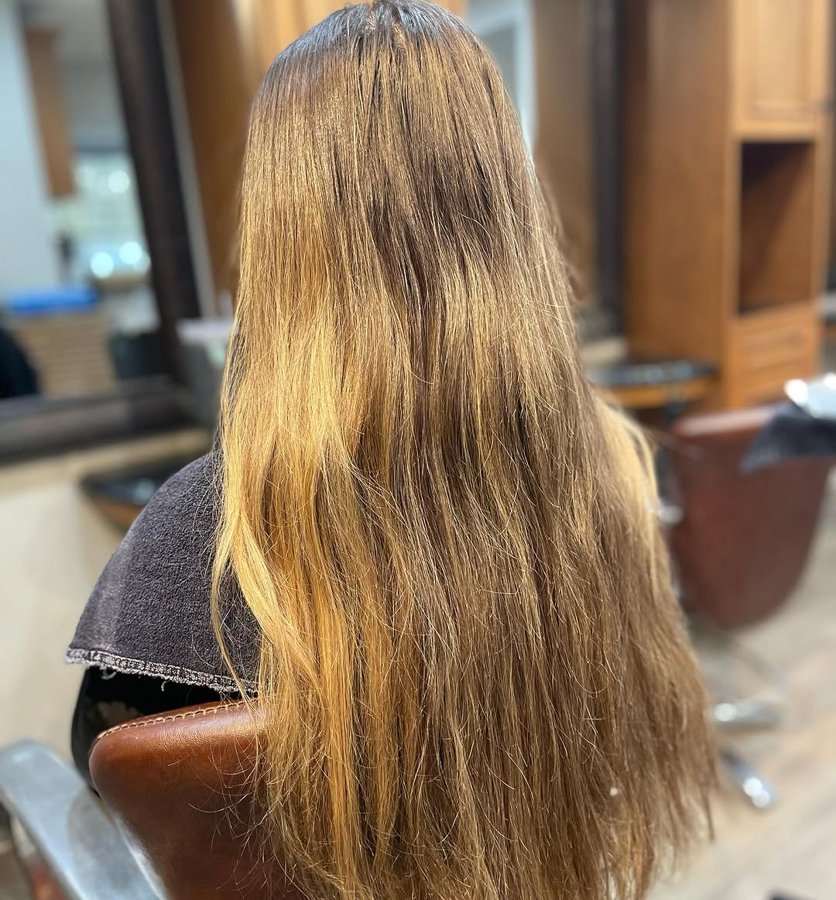
Common reasons people come in for correction: brass or orange that a toner never fixed, banding and hot roots, stripey highlights that never blended, box dye that will not lift evenly, or going from dark back to blonde.
Two things matter more than anything else. First, that we look at your actual hair before promising a result. Second, that we go at a pace your hair can survive. A beautiful correction that destroys your hair is not a success, and Jillian will tell you if the honest answer is two sessions instead of one.
What we correct
If any of this sounds like you.
Brass and orange
Warmth that keeps coming back no matter how much purple shampoo you throw at it.
Banding and hot roots
Visible stripes of different tone where regrowth and old color meet.
Box dye
Heavy, uneven pigment build-up that lifts unpredictably and needs a staged plan.
Uneven highlights
Chunky, striped, or overlapped lightening that never melted together.
Dark to blonde
The biggest lift there is, almost always safer spread across more than one visit.
Over-processed ends
When the priority is strength first and color second. We will say so if that is the case.
The work
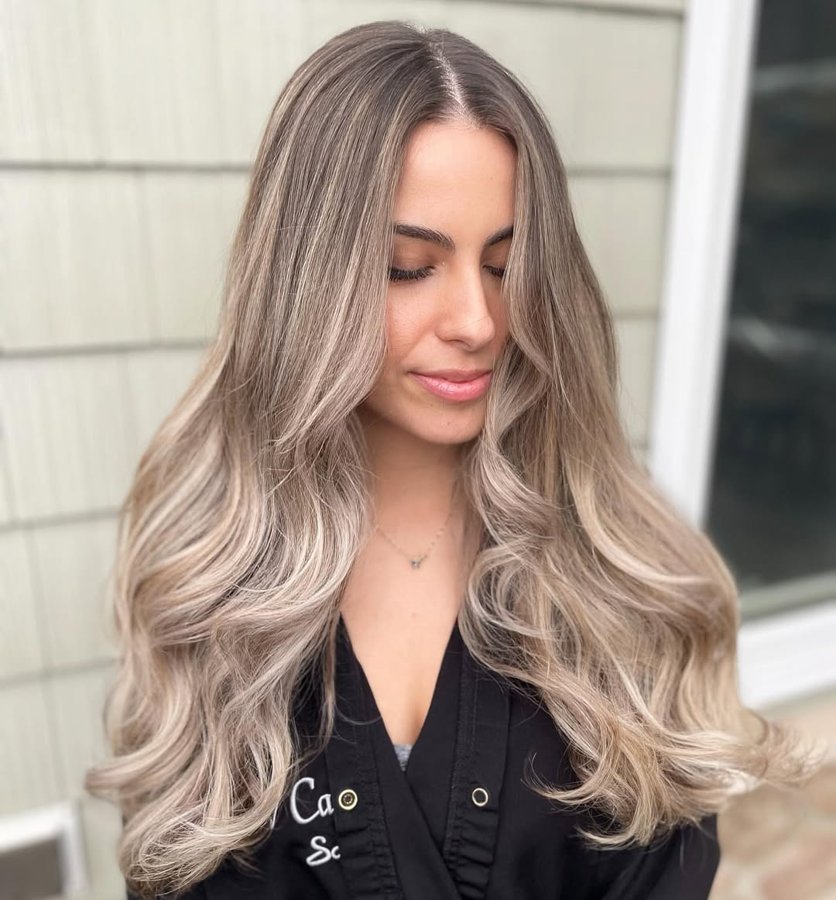
Before and after.
BeforeAfter
How it works
What to expect.
Send photos, then come in
A consultation with a strand test tells us what is really on your hair. Bring the box or shade name if you used one, and photos of the color history if you have them.
You get a real plan
How many sessions, roughly how long, what it will cost, and what is realistic for your hair. You decide before anything starts.
We work in stages
Lifting, filling, and toning in the order your hair can handle, with bond treatments throughout. Sometimes we deliberately stop short of the end goal to protect the hair.
We rebuild and maintain
Once the color is where you want it, the job becomes keeping it there: glosses, the right products, and a schedule that stops it sliding back.
Questions
Correction, answered honestly.
How much does color correction cost?
Correction is quoted at your consultation, because the price depends entirely on what is already on your hair, how many sessions it will safely take, and how far you want to go. It is a bigger service than a standard color. You will get the full plan and the full number before any work begins.
How many appointments will it take?
Some corrections are one long appointment. Many are two or three, spaced out to protect the hair, especially dark box dye going back to blonde. Anyone promising a dramatic correction in one short visit is usually risking your hair to do it.
Can you fix box dye?
Usually yes, but box dye is the most common reason a correction runs past one session. Box color deposits heavy pigment unevenly and builds up on the ends, so it lifts unpredictably. Bring the box or the shade name if you still have it, it genuinely helps us plan.
Can you fix brassy or orange hair?
Yes. Mild brass is often solved with a gloss or toner in one visit. Orange or banded hair usually means the underlying pigment has to be lifted properly first and then toned, which is a real correction rather than a toner layered on top. Here is how to keep it from coming back.
Should I try to fix it at home first?
Please do not. Layering more box dye or another at-home toner over a bad result is the single thing that turns a one-session correction into a three-session one. Stop, book a consultation, and let us look at it before anything else touches your hair.
Will correction damage my hair?
Correction asks more of the hair than a standard color, which is exactly why it gets staged. We strand test, use bond treatments throughout, and will stop short of the goal if the hair says so. If your hair needs strength before it needs lift, you will hear that at the consultation rather than after.
The sooner we see it, the more options you have. Book a consultation and you will leave with a real plan, even if the honest answer is that it takes more than one visit.